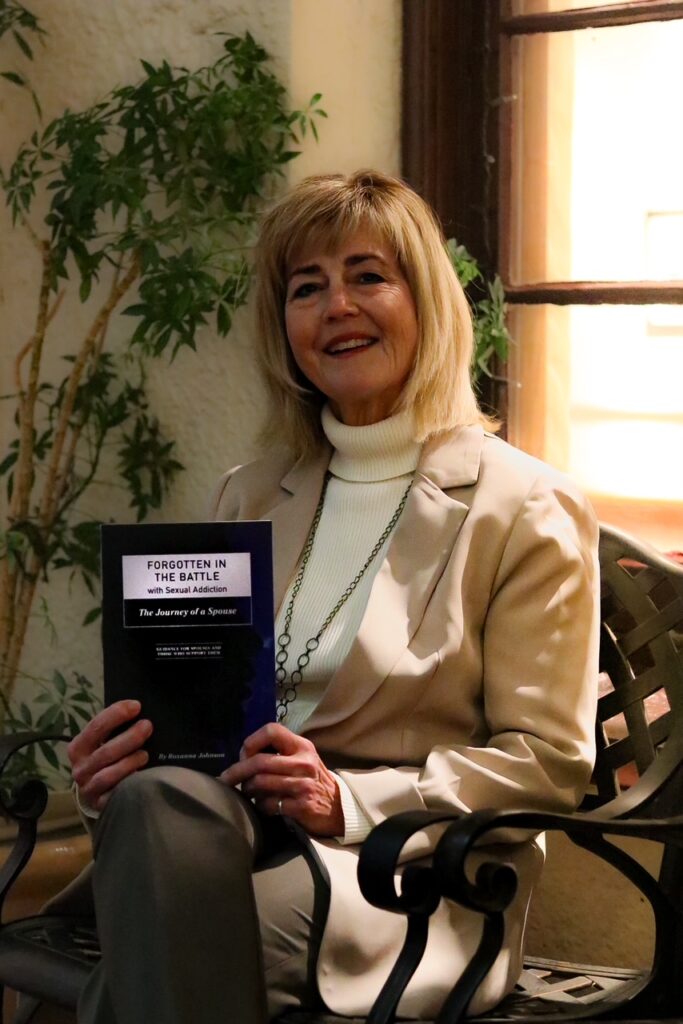
About the Author

When I realized I needed help to walk the road of loving a sex addict, I didn’t trust anyone. The process of learning how and who to trust was long and filled with potholes. But one principle became clear fairly quickly: those who were trustworthy understood pain. They also knew that revealed pain is sacred. Because of these noble persons, I became willing and able to share my story. In many ways, this book is an effort to pass on their generosity and wisdom.

I discovered I loved to write in the fifth grade when I wrote about the passing of my great-grandmother for a reflections writing contest. Since then, I have used this love in various forms: newspapers and magazines, a blog, as well as for federal and foundational grant proposals. And now, through this book. My favorite use of the written word is communicating my undying love to my family.

My Story

I was 46 when it felt like my life—or what I thought was my life—was desecrated by what I call “the Bomb.” When Jack, my husband of almost 24 years, sat me down and vomited his sins—call girls, strip clubs, and phone sex—my world shattered. Up to that point, I had no clue that Jack had been lusting, viewing pornography, and masturbating throughout our entire marriage. I didn’t yet understand what codependency in marriage looked like or how addiction in a marriage silently reshapes everything.

I assured Jack we could get through it. And then I went into shock. He promised nothing else would happen. Ever. In desperation, I tried to believe him.

A week later, I found motel receipts. The next morning, I checked bank records and was sick from the charges I saw and what they revealed. I told Jack that I didn’t know what he was doing or who he was, but if he didn’t get help, I would leave him that day. Terrified by his own lack of control, Jack entered inpatient treatment. At first, we believed substance abuse was the core issue. But during the 45-day program, a counselor suggested Jack was a sex addict.

I had never heard of sexual addiction, and pornography addiction wasn’t yet a pop culture term. I didn’t understand how these compulsive sexual behaviors created betrayal trauma or how living with an addict could lead to complex PTSD in romantic relationships.

This diagnosis shattered my life. I cried so hard at night, I wondered if I would die of a broken heart. I felt betrayed by Jack and even by God.

After inpatient treatment, we entered a structured outpatient program for sex addicts and their spouses. Jack also attended Sexaholics Anonymous, and I eventually joined S-Anon. As I listened and learned, I began to see the patterns of codependency in marriage and how deeply I had been affected. This pattern of learning and community support was essential for my betrayal trauma recovery.

“What is that?” I asked with horror at what the term conjured up in my mind. I was aware of alcohol and substance addiction, but I had never heard of sexual addiction. And pornography addiction wasn’t a pop culture term yet, so I had no context for understanding.

This diagnosis shattered my life into pieces that circled around me in ways I could not grasp. I felt I was living a nightmare. I cried so hard at night I honestly wondered if I would die of a broken heart. I had thought Jack loved me. I felt like my very foundation was gone. When I learned that Jack had wrestled with pornography and masturbation since being a teenager, I felt like my life was a lie. And when I learned how addiction results from the inability to handle intense emotion and that Jack’s fear that I might die from a recent illness had escalated his poor choices, I also felt betrayed by God.

When Jack was released from the in-house addiction program, we enrolled in an outpatient program for sex addicts and their spouses called LifeStar. Jack also found a therapist and began attending meetings sponsored by Sexaholics Anonymous (SA). SA is an international 12-step nonprofit program for sex addicts that mirrors in process and concept the ideas of Alcoholic Anonymous. When Jack learned there was also a spouse/family meeting called S-Anon held in the same building and at the same time as his meeting, he asked me to try it out.

In those meetings I began to learn how I was damaged by living with an addict. Sanon meetings also provided a strong foundation for me to rebuild on. Not only were the meetings educational, but they provided both social and spiritual support for a journey that seemed taboo to talk about at church, at work, or with extended family. Our 12-step groups taught us how to sit with others in the same pain. This eventually translated into the ability to sit with each other in the painful times required to heal ourselves and our marriage.

Even with therapy, meetings, and community support, Jack had several serious relapses. We went through nearly three years of chaos before I fully committed to staying in the marriage.

My own journey included addressing codependency, personal compulsions, my worth, and somatic symptoms from PTSD, betrayal trauma, and emotional shock. Forgiveness was the hardest step. At first, I couldn’t imagine forgiving Jack. Over time, God helped me leave room for the idea of forgiveness. That small seed grew into something life-changing.

During this journey, I learned to go to God with my feelings of betrayal, anger, heartache, and loss; At first in defiance and then in acceptance. Through walking this journey with God, I became a better and more authentic friend, daughter, sister, mother, and grandmother than I was before.

It took a decade of continual work before I could share my story without bitterness or shame. Now, many years later, I continue to grow, heal, and learn. This book is my attempt to share that learning and healing journey with you—the reader—to offer hope, truth, and companionship for your own path through betrayal trauma healing, infidelity recovery, and spiritual restoration.